

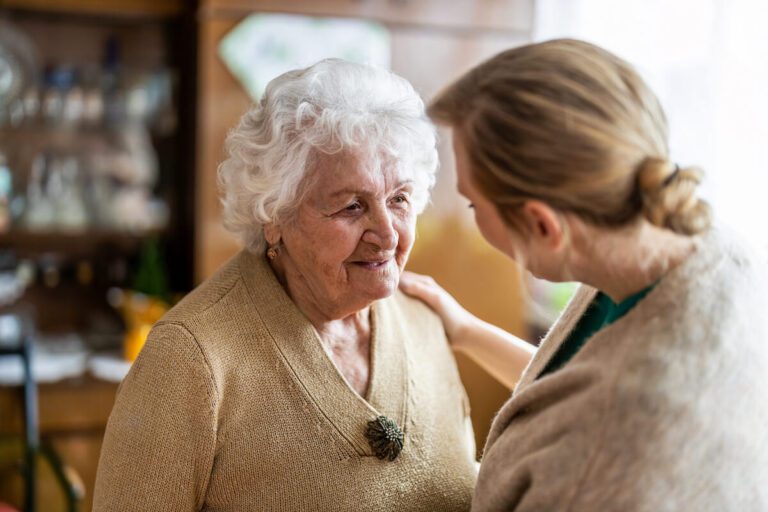
Supporting a parent, spouse, or other family member living with dementia is deeply personal, and the support they need may change as the disease progresses. Thoughtful day-to-day routines can help a person feel more comfortable, connected, and secure. This holistic approach considers not only physical needs, but also relationships, preferences, familiar rhythms, and sense of identity.
What Holistic Dementia Care Really Means

At its heart, holistic dementia care means supporting the whole person: physical health, emotional well-being, relationships, daily routines, sensory preferences, and sense of self. Rather than defining someone by memory loss, a whole-person approach centers their life history, preferences, abilities, and relationships.
Different types of dementia—including Alzheimer’s disease, vascular dementia, or another form of dementia—can affect cognitive functions in different ways. Support should reflect the person’s background, abilities, and changing needs. The evidence base varies among dementia care approaches. Holistic practices do not cure dementia or reverse underlying changes. They can, however, create opportunities for comfort, connection, participation, and dignity in everyday life.
Music, Art, and Familiar Sensory CuesHolistic Approaches That Make a Difference
Familiar music, art, photographs, scents, and textures can provide meaningful ways to connect, especially as verbal communication changes. The key is to start with the person’s preferences and observe how they respond; a cue that feels comforting to one person may be overstimulating or unpleasant to another.
- Music and Playlists: Choose familiar, enjoyable music; sing along or invite gentle movement if the person seems interested. Music can support connection and engagement and may help reduce agitation for some people living with dementia, even when verbal communication becomes difficult.
- Art and Visual Expression: Look through family photo albums, paint with watercolors, or try other adult-level art projects that emphasize expression and enjoyment rather than a finished product.
- Scent and Touch: Familiar scents, warm towels, soft fabrics, or other sensory cues may offer comfort when they are chosen around the person’s preferences and sensitivities. Introduce one cue at a time and stop if it causes discomfort.
At SaraBella, Valeo™ programs connect these ideas to residents’ strengths and life stories. Create & Compose uses music and art as opportunities for engagement and self-expression.
Dementia Activities, Movement, and a Safe Daily Rhythm

A consistent daily rhythm can make the day feel more predictable and help a person participate with greater confidence. Familiar activities of daily living and gentle movement can support mobility and general well-being when they are adapted to the person’s physical and cognitive abilities and guidance from their care team.
Safe, accessible movement and daily activity might include:
- Walking and Outdoor Time: Taking a short walk or spending time outdoors when the environment and weather are appropriate.
- Adaptive Exercise: Participating in guided chair exercises, gentle stretching, or light motion games.
- Familiar Household Tasks: Folding towels, watering plants, matching socks, or setting the table—familiar activities that may provide purpose and reinforce daily rhythms.
SaraBella’s VITA! program incorporates mental stimulation and physical activity into familiar daily routines, with activities designed to be engaging and approachable.
Food, Hydration, and Mealtime Connection
Nourishment is about more than calories; it is also part of comfort, routine, and social connection. Dementia can affect appetite, food recognition, coordination, and hydration, so mealtime support should be adapted to the individual rather than centered on a restrictive “brain-health” diet.
- Enjoyable, Nourishing Foods: Offer familiar foods and balanced meals while accounting for changing preferences, appetite, and any clinically identified texture or dietary needs.
- Supporting Independence: Depending on the person’s abilities, finger foods, simple place settings, or contrasting plates and placemats can make eating easier.
- Hydration and Atmosphere: Offer fluids throughout the day and create a calm, unhurried setting with limited distractions. Eating with others can also make mealtimes more social and inviting.
SaraBella offers chef-prepared meals, restaurant-style dining, and options for several dietary preferences. Families can ask how the dining team adapts meals as a resident’s needs or preferences change.
Social Connection and Family Involvement
Meaningful social connection can support mental health, emotional well-being, and a sense of belonging. The most useful activities are not simply available on a calendar; they are adapted so the person can comfortably participate.
Family stories, spiritual preferences, holiday traditions, favorite music, and familiar routines help a community understand the person behind the diagnosis. SaraBella’s Legacy Kit program gives residents, friends and family a structured way to gather photographs, mementos, and stories that represent important people, experiences, and interests.
How SaraBella Brings Whole-Person Memory Care to Daily Life
At SaraBella Senior Living, Valeo™ Memory Care is offered in a secure memory care setting in Sarasota. Each resident completes a wellness review led by the wellness director, a registered nurse, to help determine the appropriate level of personal care and support. Reviews are repeated as needs change.
Valeo™—Latin for “to thrive”—is designed specifically for people living with memory impairment and works alongside SaraBella’s Salus™ wellness philosophy. Through one-on-one engagement and programs focused on physical, social, intellectual, and spiritual well-being, the approach is tailored to each resident’s abilities, interests, routines, and life story.
Valeo™ Memory Care at SaraBella
Learn more about how Valeo™ Memory Care supports residents through individualized engagement, a secure setting, and programs shaped around each person’s strengths and story.
Questions Families Can Ask a Memory Care Community
When comparing memory care, Sarasota families can use these questions to understand how communities translate a whole-person philosophy into everyday care:
- Life Story and Personalization: How do you learn about a resident’s history, hobbies, and preferences, and how is that information built into their daily routine?
- Sensory and Creative Support: What options are available for residents who enjoy music, art, outdoor time, or quiet sensory experiences?
- Daily Engagement and Routine: How do you engage residents who no longer initiate activities, and how do you respond during restlessness or distress?
- Family Involvement and Communication: How are families involved in care planning, how will you keep us informed about changes in health, behavior, routines, or engagement, and do you connect caregivers with education or support groups?
- Dining and Hydration: How does your culinary team accommodate changing tastes, adaptive dining needs, and hydration throughout the day?
- Care Fit, Staff Training, and Safety: How do you determine whether memory care is the appropriate level of support? What dementia-specific training does the team receive, and how do you balance safety with independence?
For answers to common family questions about care transitions and daily living, visit our comprehensive FAQ page or review our pricing information to help your family plan ahead.
Not sure what level of support is right for your family? Talk with our team about the changes you are seeing, or download the Memory Care Guide to prepare for your next conversation.